Biology
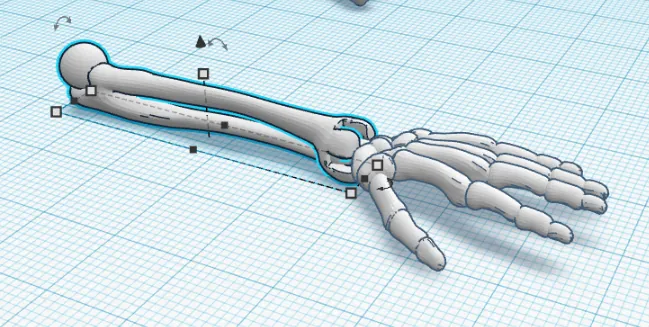
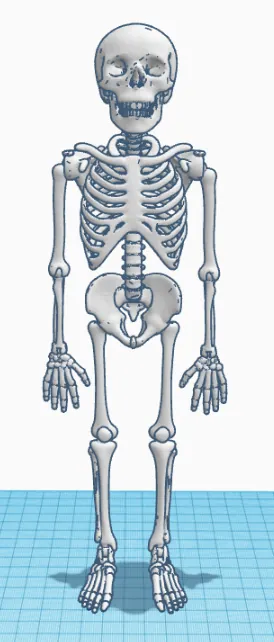
4From the outline: The human body (grade 7): students know the parts of the axial skeleton, girdles and limbs and their functions.
- Human skeleton model
- Cross-section of the eye
- Bacteriophage
- Leaves of Polish deciduous trees
For schools
Lesson plans for teachers and workshops at your school. We know the equipment in Polish “Laboratories of the Future” school labs because we installed it ourselves.
The Polish “Laboratories of the Future” programme equipped primary schools with 3D printers. In many labs the equipment stands idle, because the biology, geography or maths teacher has no ready lesson in which the printer adds something. We provide those lessons: 27 project lesson plans for 7 subjects.
20 lessons come with a full outline: the area of the Polish core curriculum, learning objectives, key competences and the course of the lesson. The school has lesson documentation aligned with the curriculum.
Students go from an empty project to a model ready to print. The instructions show how to set up a Tinkercad class, so no prior knowledge of the program is needed.
Each student designs a model that stays in the lab as a teaching aid: a cross-section of the eye, a water molecule, the net of a solid. Such models can also serve blind and visually impaired students.
The school buys the licence. Different teachers use the lesson plans.
One project connects several subjects: students model on the computer, finish the print, paint the model and learn the subject topic along the way.
Grades 4–8 (Polish primary school). Projects are made in Tinkercad: a free program that runs in the cloud, in the browser. Nothing to install, and the entry barrier is low for teachers and students alike. The 3D printer produces a print at the end of the lesson.
From the outline: The human body (grade 7): students know the parts of the axial skeleton, girdles and limbs and their functions.
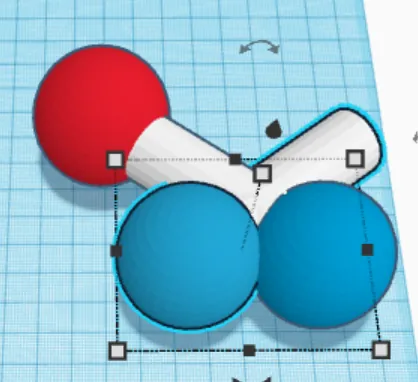
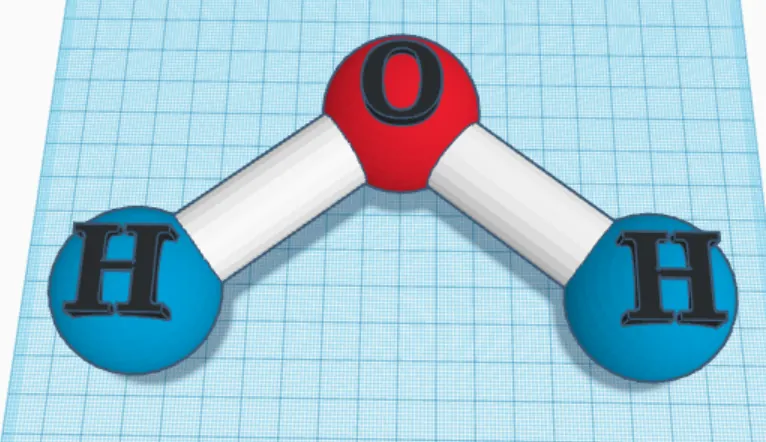
From the outline: Water and aqueous solutions (grades 4–6): students describe the structure of a water molecule.
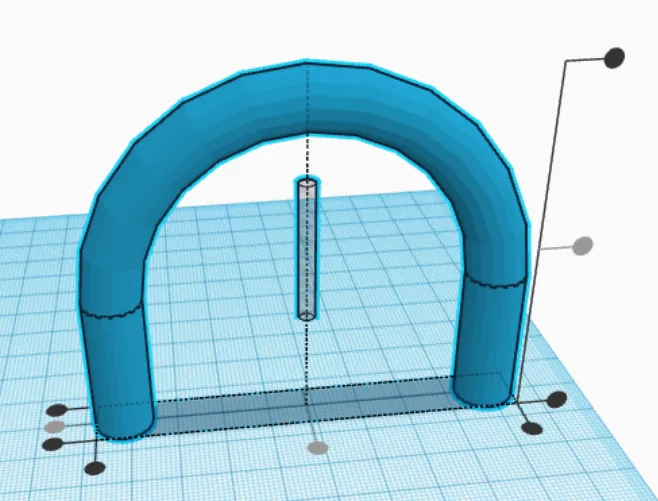
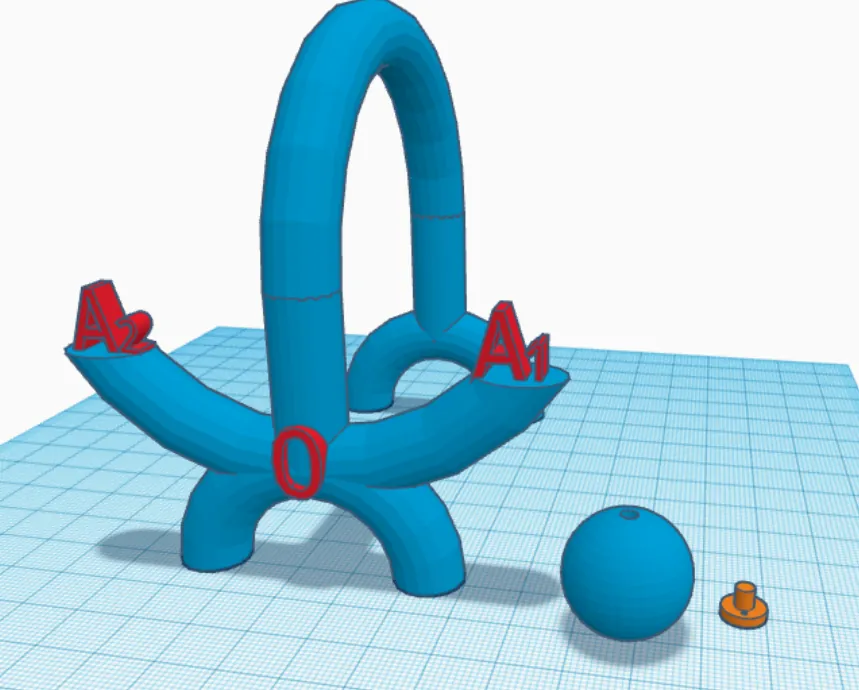
From the outline: Oscillations and waves (grades 4–6): students describe the motion of a pendulum and measure its period and frequency.
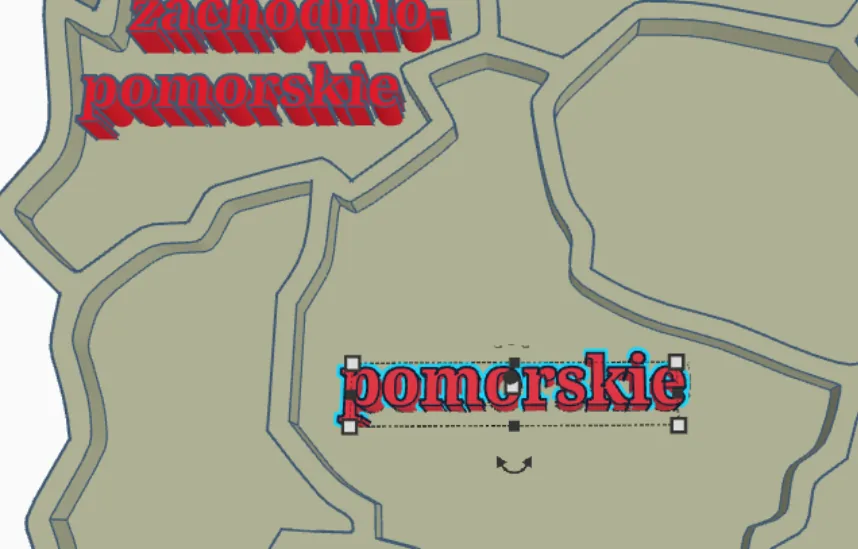
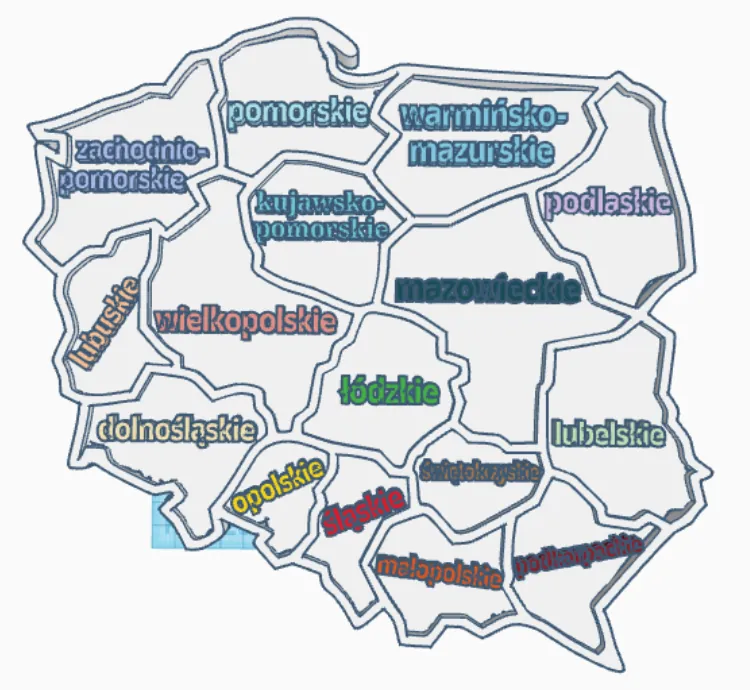
From the outline: The natural environment of Poland (grade 5): students name the provinces and their capitals and point them out on the map.
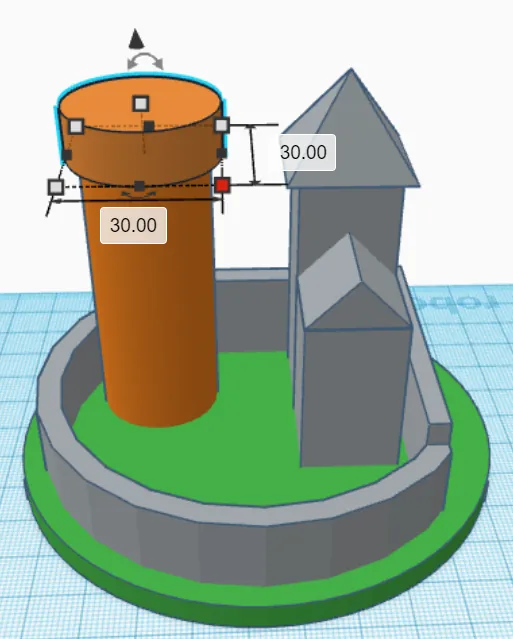
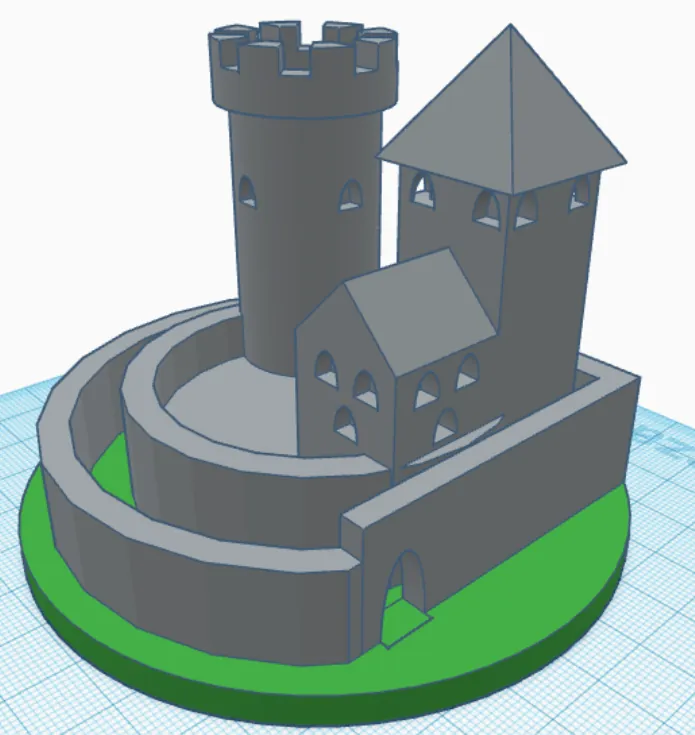
From the outline: Supplementary content (grade 4): students recognise Polish castles from different eras.
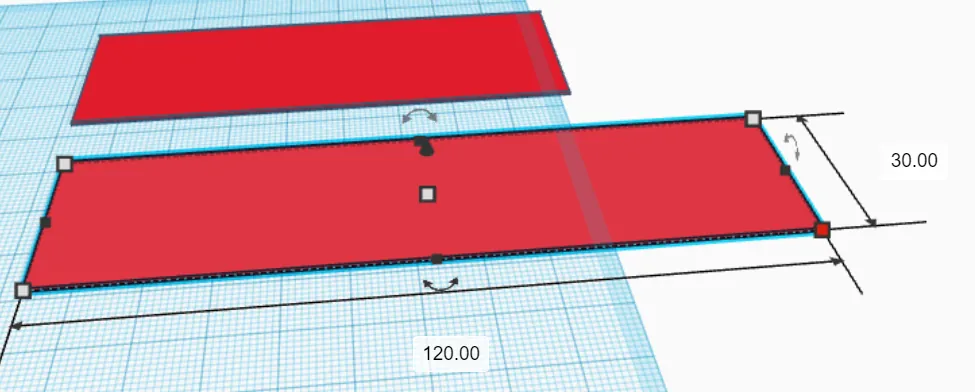
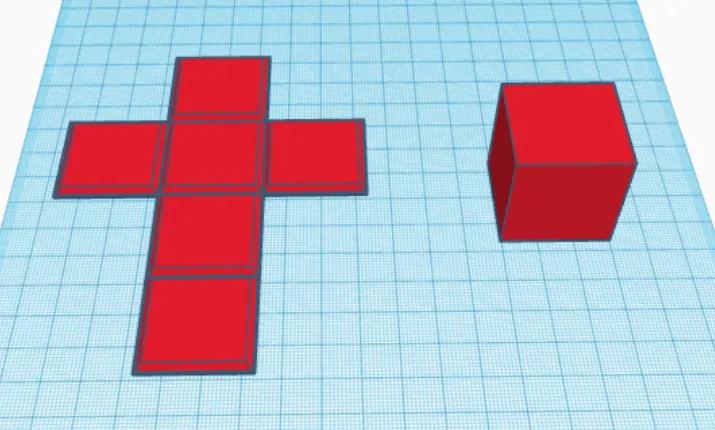
From the outline: Nets of solids (grade 4): students design nets of prisms and pyramids.
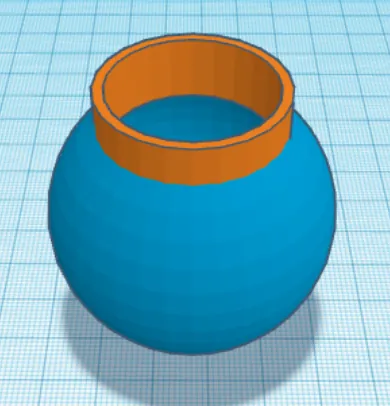
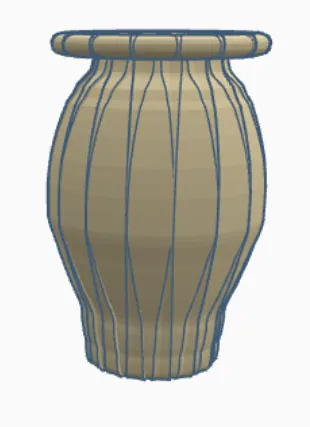
From the outline: Ceramics - tradition and today (grades 4–6): students model solids and reliefs and build small spatial forms.
The Polish “Pracownie Kompas Jutra” programme gives primary schools PLN 10,000–30,000 to equip a lab. The next application deadline is 20 April 2027. Equipment bought with the grant gets used sooner when there are lessons for it from day one. The lesson plans are ready now.
Which costs can be covered by the programme is decided by its rules. We will prepare the licence quote so that the school can plan it in its budget.
Students create a 3D model and learn vocabulary related to the lesson topic. The same project instructions in Polish, English and German make it easier to combine subject learning with a foreign language in bilingual schools and classes, using a CLIL approach.
Choose the language of the instructions to suit your class. You can return to the Polish version when students need an explanation.
With 27 projects across 7 subjects, students use subject vocabulary as they design: describing the model’s structure, its parts and the steps they take.
The package includes 40 videos. English and German subtitles help students connect what they see on screen with instructions in a foreign language.
One day of workshops on site for any number of teachers. We show you how to set up classes in Tinkercad and teach 3D modelling from scratch - all you need is to be able to use a mouse. We also show you how to send prints to the 3D printer and how to post-process the models. Usually 1–2 days, as agreed.
We run 3D printing workshops in schools - hundreds of students have already taken part.
Tick what you are interested in - we will reply with a quote.
We also run workshops on site, at your school - independently of the licence.
Students design in the browser, in Tinkercad. A computer room with internet is all you need.
Students design, and the project ends with a print on the school’s 3D printer.
Ready-made project lesson plans for teachers; some with an outline matched to the Polish core curriculum.
3D printing workshops on site, at your school.
15+
schools with labs equipped under the Polish “Laboratories of the Future” programme
approx. 200
people at workshops in a single school in one day — more than once
27
lesson plans prepared with schools in mind
Equipment we know from school labs
Further reading
Tell us which school you teach at and what equipment your lab has — we’ll send a sample lesson plan or a workshop proposal.